Can Electronic Cigarettes Be Taken on Airplanes Essential Travel Guidelines for Vapers
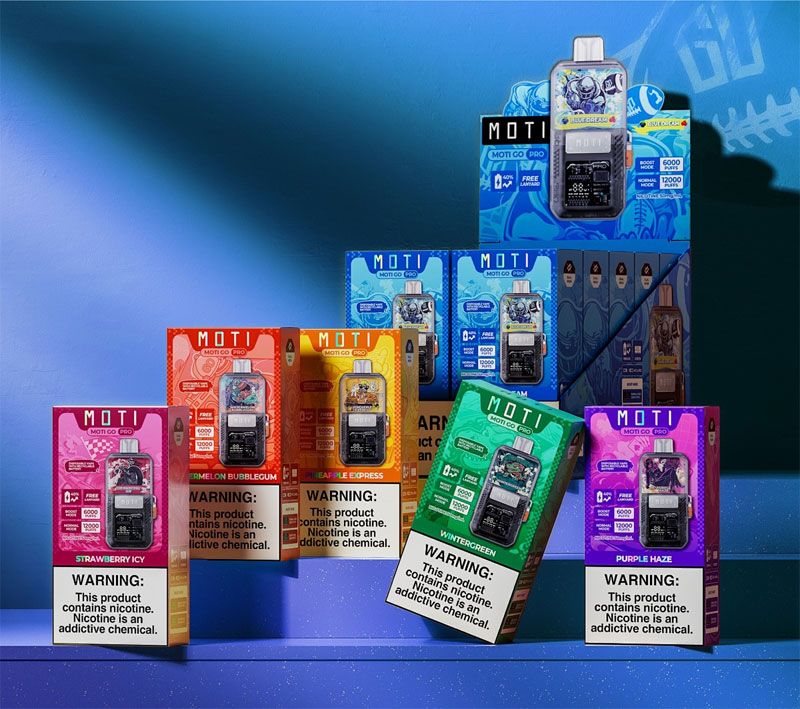
Traveling with Electronic Cigarettes: Essential Guidelines for Airplane Passengers
Across the globe, transport regulations for electronic cigarettes may vary, but a common factor is their classification as portable electronic devices with lithium batteries. Agencies like the Transportation Security Administration (TSA) in the United States, the European Union Aviation Safety Agency (EASA), and individual carriers all consider battery safety a top priority. Most important for vapers: you are allowed to carry your electronic cigarettes in carry-on luggage but not in checked luggage. The reason is simple: lithium batteries can pose a fire risk, and crew members need access to devices in case of incident. Always check your carrier’s specific policy before travel, as some may have further restrictions.
Airplane Security and E-Cigarette Regulations
When approaching airport security, it’s vital to know exactly how to manage your device. Can electronic cigarettes be taken on airplanes? Yes, but only under certain conditions. Security checkpoints require you to separate electronic devices, including e-cigarettes, for screening. Typically, these items should be removed from bags and placed in security trays, especially if they contain batteries. Airport X-ray machines do not harm the devices, but having them easily accessible will speed up your time through the checkpoint.
Airport staff may ask about the kind and quantity of e-liquids you’re carrying. According to international guidelines, all e-liquids and liquids must be stored in containers of 100ml (3.4 oz) or less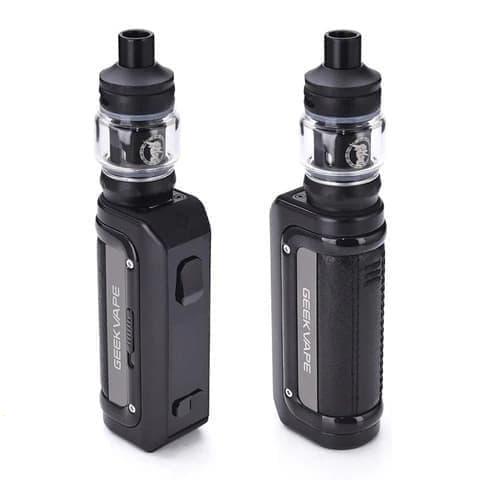 and fit inside a single quart-sized, clear, resealable plastic bag. This goes for vape juice, nicotine salt, and refill pods. If you’re carrying more, check airline policies regarding checked luggage—even if devices themselves are prohibited in checked hold, some airlines permit extra e-liquid in checked bags in moderate quantities.
Vaping Onboard: Dos and Don’ts
- Never use your electronic cigarette or vape device on board. All airlines strictly prohibit vaping during flights. Your device must remain off and stowed away.
- Do not try to stealth vape. Cabin environments are closely monitored with smoke and vapor detection technology.
- Disassemble removable batteries if possible and keep them in a battery case or pouch.
- Seal and store all e-liquids tightly to avoid leaks from cabin pressure.
- Always keep devices with you (not in checked luggage). This enables rapid response if the battery overheats or malfunctions.
- If traveling internationally, look up the destination country’s laws regarding electronic cigarettes. Some countries, like Thailand and Singapore, ban possession entirely and can impose severe fines or even jail.
Seasoned travelers might additionally bring backup coils, pods, and chargers. Place all accessories together in a small case to keep them organized during transit. If your flight is longer, consider packing nicotine patches or gum as alternatives.
Best Practices for Packing Vapes for Air Travel
To maximize convenience and avoid hold-ups, follow these guidelines when packing:
- Remove batteries from mods and store them in protective cases.
- Empty tanks to minimize leaks from cabin pressure changes.
- Travel with extra pods or cartridges just in case.
- Label everything clearly to help security identify the devices quickly.
- Prepare your liquids and device for rapid inspection—in some airports, security officers may want additional information about what you’re carrying.
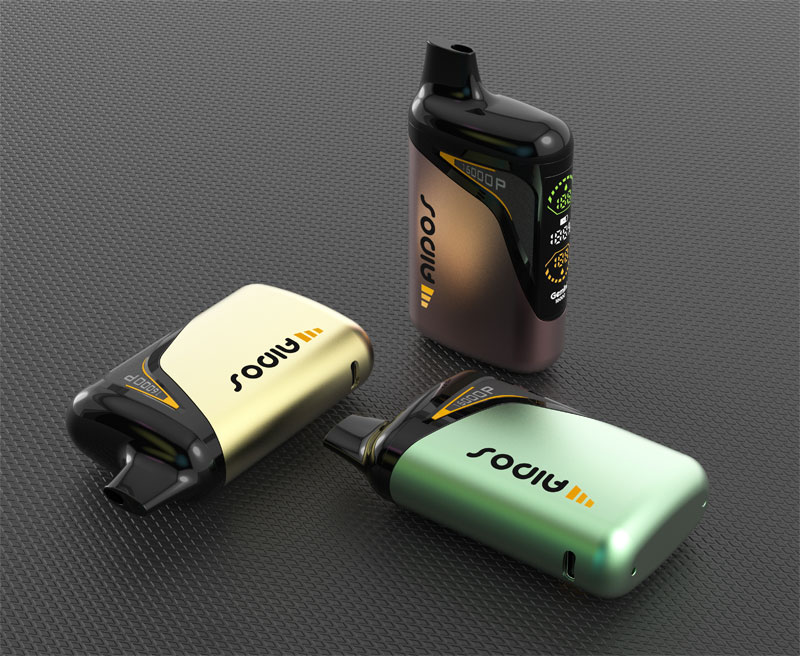
It’s always worth remembering that flight attendants hold authority concerning the safety of everyone aboard. In the event of a malfunction—such as a device overheating—alert crew members immediately. Most airlines conduct training for battery incidents, but your help and proactiveness ensure their safety interventions are quick and effective.

You can carry electronic cigarettes and vape pens on airplanes if they are in your cabin baggage. Always confirm your carrier’s policies, especially for international flights.
International Considerations for Vapers
Airline law is not the only concern for frequent flyers who vape. Local laws at your destination matter too. Some countries flag e-cigarettes as medical devices; others treat them as tobacco substitutes. In places such as Australia, New Zealand, and several Middle Eastern nations, the law mandates specific labeling and packaging requirements. In contrast, in places like Japan or Brazil, nicotine-containing e-liquids are heavily restricted. Before you travel, research your destination’s rules around possession and use of electronic cigarettes. The consequences for non-compliance can range from fines to criminal charges.
Quick Tip: If you’re unsure, contact your airline or destination’s customs office ahead of time for clarification. For connecting flights, each airport’s security team may enforce rules differently; be prepared to answer questions or clarify contents at each checkpoint.
Environmental and Health Considerations for Flying Vapers
Maintaining safety goes beyond rule-following. Store batteries away from coins or metal objects, as contact can trigger a short circuit. Most airlines forbid charging devices on board; the risk of lithium battery thermal runaway is real. Always disable power to your device during the flight, and don’t assume non-nicotine vapes are exempt from regulations.
Keeping hydrated is essential if you’re accustomed to frequent vaping. Cabin air is drier than normal, and a break from vaping may increase throat discomfort for those dependent on the habit. Bring bottled water, and use alternative nicotine products to help manage cravings quietly and safely while airborne.
FAQ: Traveler Questions About E-Cigs on Airplanes
- Can I vape in the airport?
- Most airports restrict vaping to designated smoking areas outside or within special lounges. Always check local signage and follow staff instructions.
- Can electronic cigarettes be charged while flying?
- No. Most airlines strictly forbid charging vape devices on board due to fire risks associated with lithium batteries.
- How much vape juice can I bring in my carry-on?
- International guidelines specify each container must be 100ml or less, all fitting into a single quart-sized clear plastic bag as with other liquids. Always check rules with your specific airline and departure airport.
In summary, when asking, can electronic cigarettes be taken on airplanes, the answer is yes—but only in your carry-on, and you must follow all airline and airport rules. Planning ahead, understanding both transport and destination laws, and practicing good battery safety are essential. With preparedness, you can enjoy your journey and keep your vape secure and travel-friendly.